
Can a Dirtbag Billionaire Fix Capitalism?
August 10, 2026 – John Abrams
Patagonia
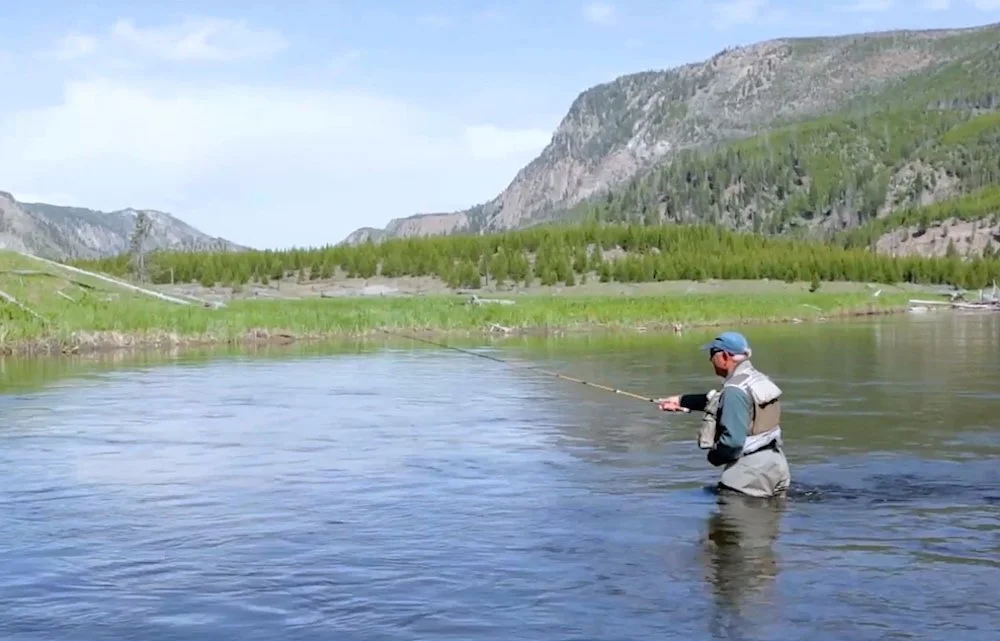
Patagonia founder Yvon Chouinard is 87 years old. Apparently, he spends much of his time fly fishing on the Snake River near his Wyoming ranch, still the first on the river in the morning and the last to leave at dusk. Meanwhile, Patagonia—the outdoor clothing and gear company he has led for more than a half century—continues to be at the top of the heap of activist triple-bottom-line businesses.
I recently read David Gelle’s biography of Chouinard, called Dirtbag Billionaire. It is not only Chouinard’s story—it’s the full Patagonia history. I’ve been a Patagonia devotee since its doors opened, so reading the unvarnished truth of this impactful organization and its idiosyncratic and extraordinary steward (and the many contradictions that make both who they are) was a thrill. Not many nonfiction business books are page turners—this one qualifies. I hardly put it down.
As they aged, Chouinard and his wife, Malinda, had to consider the disposition of the company and their accumulated wealth. Wisely, they never took any outside investment and, therefore, they maintained full control over the company’s fate. But what would they do?
The family solved their conundrum by creating the Patagonia Purpose Trust (PPT) and gifting the company to this trust. The trust benefits the environment, in perpetuity. The planet is the sole beneficiary. The Chouinards dealt with both the company’s future and their own wealth at once. Billionaires no more.
“We’re in business to save our home planet,” they say. A triumphant solution. But it was, in my view, an incomplete one, because the employees who are essential to the success of Patagonia should share the profits they generate and have a voice in company policy decisions.
According to Gelles, although Chouinard always loved and cared for his employees, it was not in his nature to trust that, if they shared company ownership, they would always carry out its admirable mission.
But, if the Chouinards had converted Patagonia to a worker co-op or an employee ownership trust, with the PPT layered above and holding the ultimate responsibility, there would have been no worries. Did they ever consider an arrangement whereby a portion of the profits could be issued as dividends to the employees and the rest could go to the planet? And, did they consider having one or more employees sit on the trust’s board, so employees could participate in company governance?
Greg Curtis is the Executive Director of Holdfast Collective, the nonprofit that owns all of Patagonia’s non-voting shares (98% of the total stock) and is charged with distributing Patagonia’s excess income to environmental causes. Previously, he served as the company’s Deputy General Counsel and was a primary architect of Patagonia’s ownership transition.
I recently asked Greg how Patagonia employees felt about being passed over in favor of the establishment of the Purpose Trust. “Were the employees resentful?”
“Yes,” he replied, “Some people were upset.”
“Is an employee ownership mechanism something that could be added?” I asked.
“It could,” said Greg, “and I think we will need to find a way to do that, and to engage employees more fully and successfully in the company’s future.”
I love that he’s thinking that way, and hey—even Patagonia can’t do everything at once.
Will they take this next step toward a version of capitalism that truly honors both planet and people? Time will tell.